
76 Visitors Tracking Severe Weather!
SevereWeatherTracking.com main goal is to bring all of the important links and graphics to ONE PLACE so you can keep up to date on any threats to your area during Severe Weather!
Severe Weather Resources
- NOAA NWS Storm Prediction Center
- NOAA NWS Weather Prediction Center
- National Weather Service
- NWS Climate Prediction Center
- Chad's Track The Tropics
- Weather Nerds Model Guidance
- Twister Data Model Guidance
- Albany GFS/ EURO Models/ Ensembles
- Pivotal Weather Model Guidance
- Weather Online Model Guidance
- UKMet Model Guidance/ Analysis/ Sat
- ECMWF (EURO) Model Guidance
- WXCharts Model Guidance
- NOAA NESDIS GOES Satellite
- CyclonicWX Model Guidance
- NDMC U.S. Drought Monitoring
Is The Atlantic Hurricane Season Over?
9 Visitors Tracking Severe Weather in the past hour!
The Atlantic hurricane season runs from June 1 through Nov. 30.
97 percent of tropical cyclone activity occurs during this time period.
The Atlantic basin includes the Northern Atlantic Ocean, Caribbean Sea and Gulf of America, as the Gulf of Mexico is now known in the U.S. per an order from President Donald Trump. NOAA and the National Hurricane Center are now using Gulf of America on its maps and in its advisories.
97 percent of tropical cyclone activity occurs during this time period.
The Atlantic basin includes the Northern Atlantic Ocean, Caribbean Sea and Gulf of America, as the Gulf of Mexico is now known in the U.S. per an order from President Donald Trump. NOAA and the National Hurricane Center are now using Gulf of America on its maps and in its advisories.
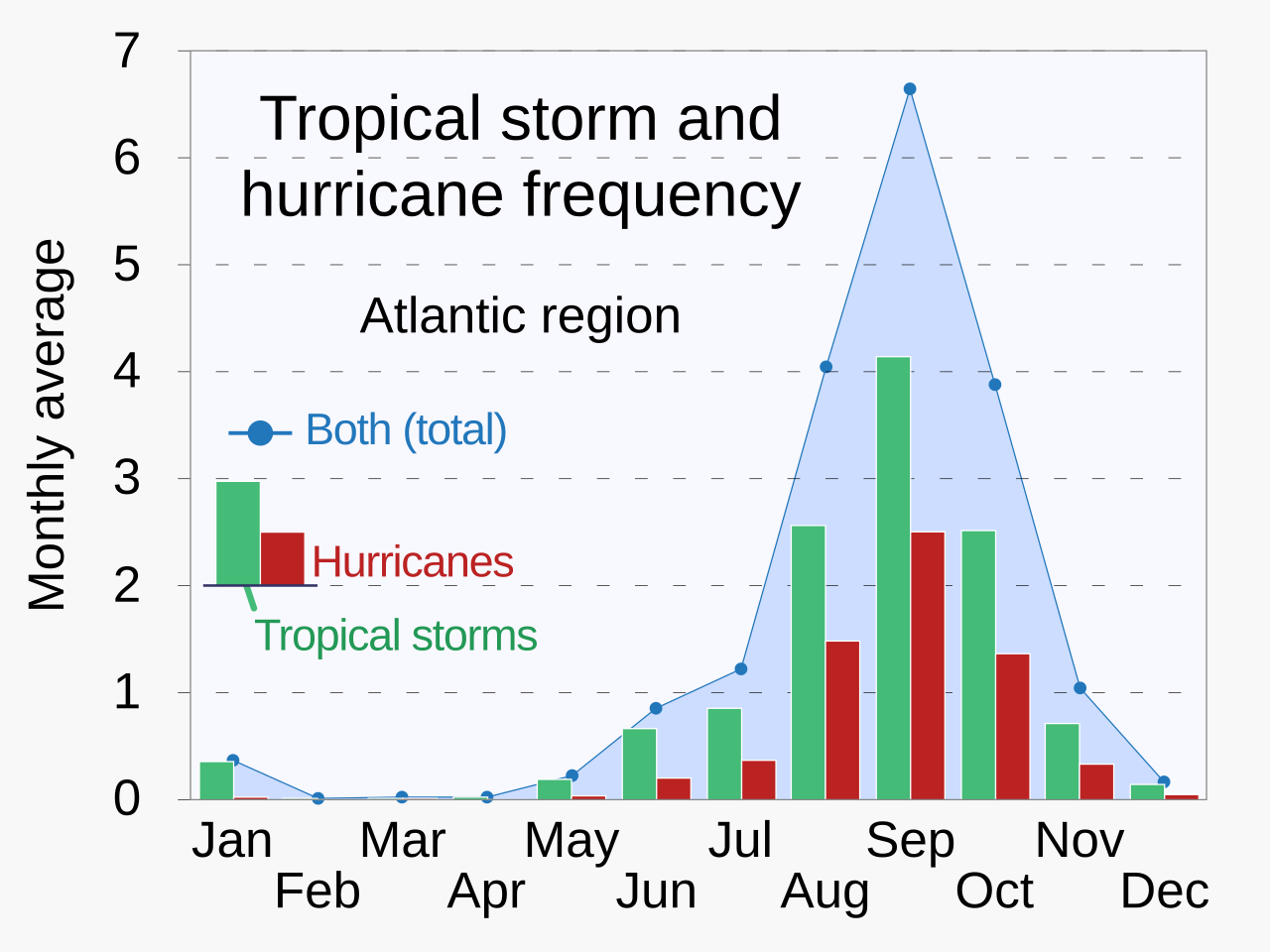
Worldwide, a season's climatological peak activity takes place in late summer, when the difference between air temperature and sea surface temperatures is the greatest. Peak activity in an Atlantic hurricane season happens from late August to September, with a midpoint on September 10.

On average, there are 14 named storms in the Atlantic hurricane season, with 7 becoming hurricanes and 3 becoming major hurricanes (Category 3 or higher). These averages are based on the 30-year period from 1991 to 2020 and are updated every 10 years by the National Oceanic and Atmospheric Administration (NOAA).